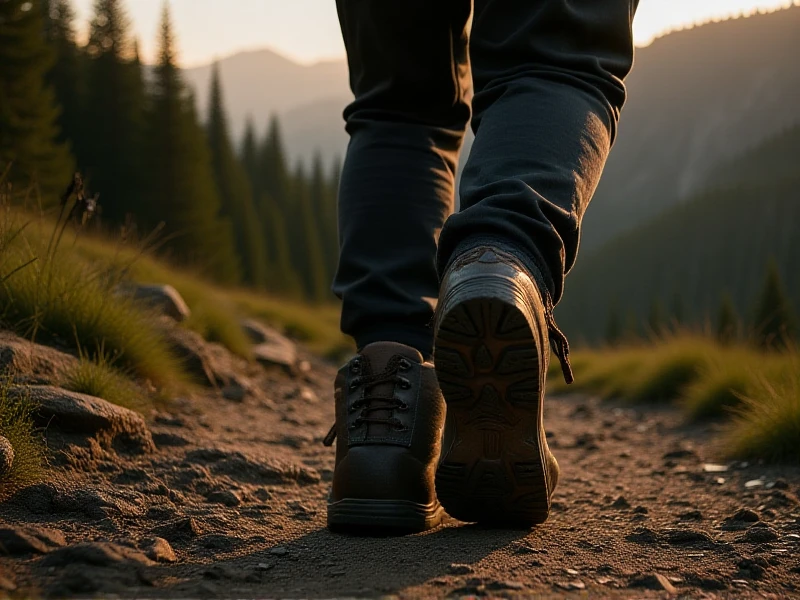
5 Essential Features That Define Top Trekking Shoes
2026-02-27
Choosing the best trekking shoes is crucial for comfort, performance, and safety on the trail. Forget about sore feet or ruined hikes; understanding what makes exceptional trekking shoes will transform your outdoor experience. Here’s what to prioritize:
- Unbeatable Traction: Slipping on loose gravel or wet rock is no joke. Seek deep, multi-directional lugs and rubber compounds like Vibram® Megagrip. This grip keeps you stable on varied terrain.
- Optimal Support & Stability: Uneven paths demand underfoot security. A supportive midsole and solid heel counter prevent ankle rolls. Look for integrated shanks (often nylon or TPU) in stiff-soled models for technical trails.
- Comfort You Can Walk In: Blister factories belong nowhere near trails! Prioritize cushioned midsoles (EVA or PU foam) that absorb shock, and collars/padding that protect ankles without chafing. Ample toe room prevents black nails.
- Weather Protection: Unexpected rain? Trail puddles? Waterproof trekking shoes with membranes like Gore-Tex® keep feet dry and warm. For hot, dry trails, breathable mesh versions offer superior ventilation. Match the tech to your usual climate.
- Durability That Lasts Miles: Rugged trails punish footwear. Reinforced toe caps shield against rocks, and thick, abrasion-resistant uppers (synthetic, leather, or combinations) handle scrapes, brush, and the elements season after season.
Beyond these core five, consider weight and ankle height. Lighter trekking shoes increase agility for fast hikes, while mid-cut versions offer more ankle stability on technical ground. Finding the perfect fit is paramount – try different brands late in the day when feet swell, wear hiking socks, and ensure heel lock-down without toe-crunching. Investing in quality trekking shoes pays dividends in reduced fatigue, fewer injuries, and pure trail enjoyment. Happy hiking.
CATEGORYS: