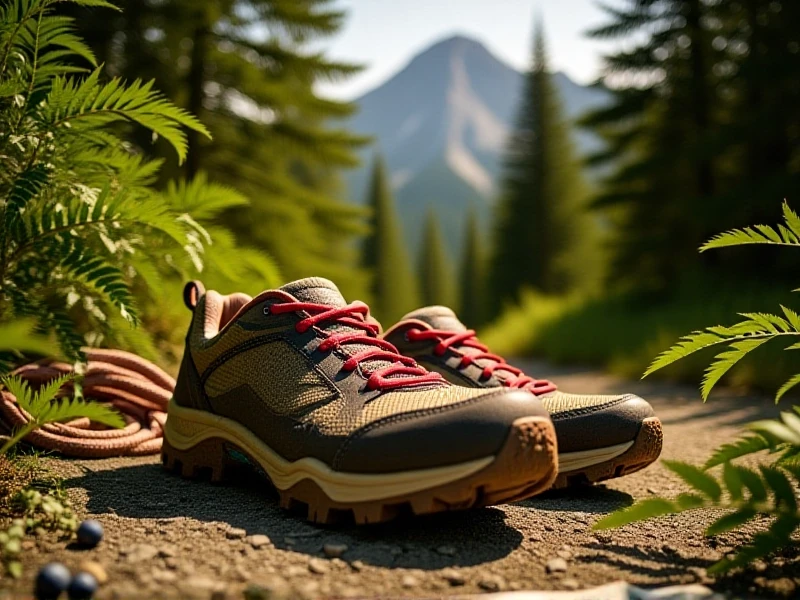
Why Trekking Shoes are Essential for Safe and Comfortable Hikes
Have you ever stepped onto a hiking trail only to regret your footwear choice miles in? Ordinary sneakers often fall short when tackling uneven terrain, loose rocks, or muddy paths. This is where trekking shoes step in as an indispensable piece of hiking gear. Unlike heavy boots or flimsy trainers, quality trekking shoes strike the perfect balance between support, durability, and weight for most trail adventures.
The foundation of a good hiking shoe lies in its outsole. Designed specifically for trails, trekking shoes feature deep, multi-directional lugs made from grippy rubber compounds. These lugs provide superior traction on everything from wet roots and mossy rocks to loose scree and packed dirt, significantly reducing the risk of slips and falls. Look for lug patterns optimized for the terrain you frequent most.
Crucially, trekking shoes offer vital ankle support and stability. While perhaps not as rigid as full-height boots, they provide substantial structure around the midfoot and heel collar. This helps prevent rolling your ankle on uneven surfaces, especially when carrying a daypack. This support translates directly to reduced fatigue over long distances – your feet and legs work less hard to stabilize themselves with each step. Good cushioning absorbs impact, reducing strain on knees, hips, and back over many miles.
Protection is another key factor. A durable toe cap shields your feet from kicked rocks and stumps. A protective, abrasion-resistant upper, often made from synthetic leathers and breathable mesh, guards against trail debris while ensuring ventilation to keep feet cool and dry, preventing blisters. Look for waterproof membranes like Gore-Tex for wet conditions or highly breathable options for dry climates.
Choosing the right trekking shoes depends on your hiking style:
- Terrain: Light-duty trails? Opt for flexible, lightweight hiking shoes. Rugged mountains demand stiffer soles and more support.
- Fit: This is paramount! Your heel should be locked down with minimal lift, and toes shouldn't jam forward on descents. Try them on in the afternoon with appropriate hiking socks. Consider foot shape (width, arch).
- Weight: Lighter trekking shoes generally mean less fatigue on long hikes but may offer less protection on very rocky paths.
Investing in proper trekking shoes isn't just about comfort; it's about safety and enjoying your hike to the fullest. They provide the necessary grip, support, and protection your feet demand off-road, helping you confidently navigate trails and focus on the beauty around you. Find the pair that fits your adventures perfectly and step out confidently on your next escape. Your feet will thank you.